If you’re looking for a durable and versatile flooring option, laminate might be the perfect choice for your home.
Laminate is a type of synthetic flooring that mimics the look of natural materials like wood or stone while offering many benefits of its own. In this laminate 101 guide, we’ll cover everything you need to know about laminate flooring, from what it is to how to install it and maintain it over time.
Let’s get started!
Introduction to Laminate Flooring
Laminate flooring is made up of several layers of material that are fused together using high pressure and heat.
The top layer is typically a photographic image of real hardwood, tile, or other types of flooring materials. This gives laminate floors their distinctive appearance and allows them to resemble more expensive natural materials at a fraction of the cost.
Beneath the surface layer, there is usually a core made of fiberboard or particle board, which provides strength and stability.
Finally, the bottom layer is a moisture-resistant backing that helps prevent water damage.
The Benefits of Laminate Flooring
There are many reasons why people choose laminate flooring for their homes. Here are just a few of the most compelling advantages:
Durability: Laminate flooring is designed to withstand heavy foot traffic and can handle spills and accidents without sustaining significant damage.
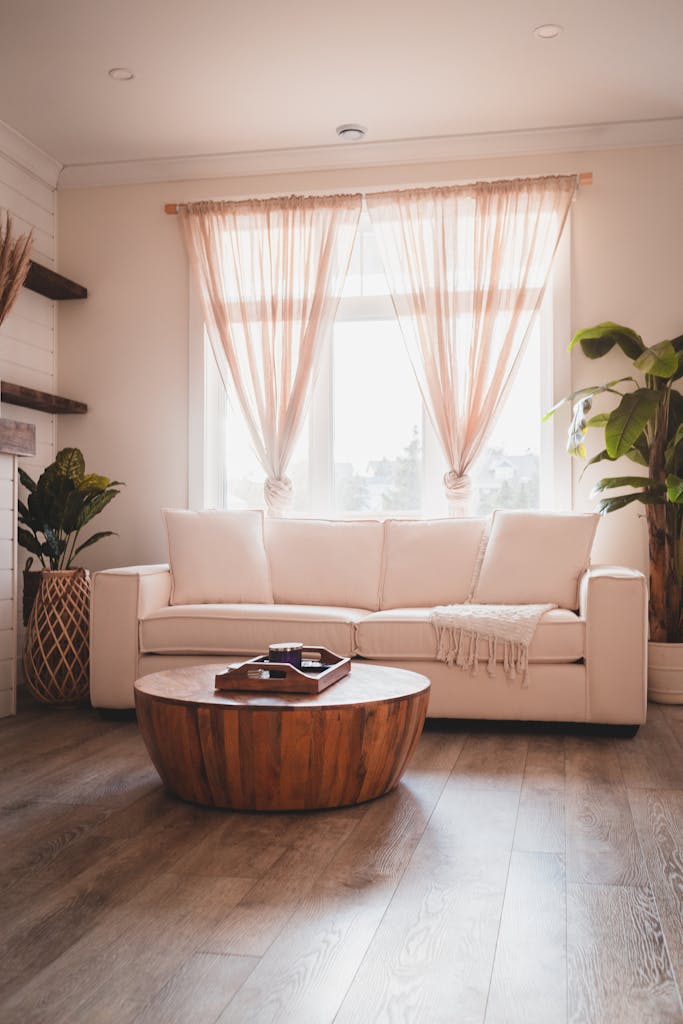
Versatility: Laminate comes in a wide variety of styles and colors, allowing you to create virtually any look you desire.
Affordability: Compared to natural materials like hardwood or stone, laminate flooring is very affordable.
Easy Installation: Laminate flooring is easy to install yourself, making it a great DIY project for savvy homeowners.
How to Choose the Right Laminate Flooring for Your Home
When choosing laminate flooring, there are several factors to consider.
First, think about the style and color scheme of your home. Do you want something modern and sleek, or rustic and cozy?
Next, consider the amount of foot traffic your floors will see on a daily basis. If you have children or pets, you may want to opt for a tougher, more durable laminate.
Finally, think about the size of your room and the scale of your furniture. A larger space may call for wider planks, while smaller rooms benefit from narrower boards.
Installing Laminate Flooring: A Step-by-Step Guide
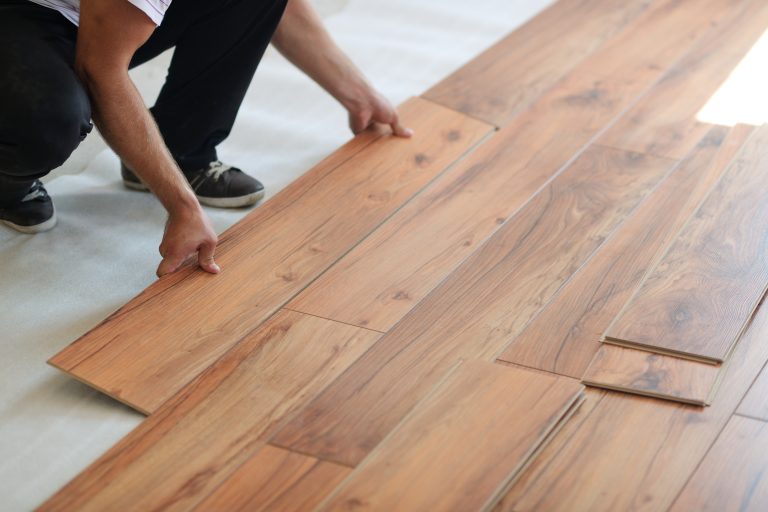
Installing laminate flooring is relatively straightforward and can be done by anyone with basic DIY skills.
Here’s a step-by-step guide to help you get started:
1. Prepare the subfloor: Before installing your new laminate flooring, make sure the subfloor is clean and level. Remove any old carpet or vinyl adhesives and fill in any gaps or cracks with patching compound.
2. Measure and cut the planks: Use a measuring tape and square to measure each piece of flooring and mark it with a pencil. Then use a circular saw or jigsaw to cut the pieces to fit.
3. Begin laying out the planks: Start at one end of the room and place the first row of planks against the wall. Make sure they are tightly pressed into position and leave no gap between them.
4. Continue laying out the planks: Work your way across the room, leaving a small expansion gap around the perimeter of the room. This will allow for slight changes in temperature and humidity.
5. Secure the planks: Use a hammer and nail gun to secure each plank to the subfloor. Be careful not to hit too hard, as you don’t want to crack the plastic overlay.
6. Finish off the edges: Once all the planks are installed, trim the last row with a utility knife so that it fits snugly against the walls.
Maintenance and Cleaning Tips for Laminate Floors
To keep your laminate floors looking beautiful over time, here are some maintenance tips:
Vacuum regularly: Dirt and debris can accumulate on your floors, causing dullness and scratches. Regular vacuuming can help remove these particles before they cause damage.
Mopping with warm water: Using a microfiber cloth or soft brush, wet mop your floors with warm water. Don’t use harsh chemicals or abrasive cleansers, as these can harm the finish.
Blotting away spills: If you do experience a spill, blot it away immediately with a dry paper towel. Never wipe or scrub a spill, as this can spread it out and cause permanent damage.
Common Myths About Laminate Flooring Debunked
Despite being a popular flooring option, laminate still faces some misconceptions and myths. Here are three common ones debunked:
Myth #1: Laminate flooring isn’t durable enough for high-traffic areas. False! While it’s true that cheaper laminates may show signs of wear and tear quickly, higher quality options like Sioux Falls laminate are built to withstand even the heaviest foot traffic.

Myth #2: Laminate flooring doesn’t hold value like hardwood does. Also false! While it’s true that hardwood floors tend to appreciate in value over time, laminate flooring can also add to the overall value of your home if it’s well maintained and looks good.
Myth #3: Laminate flooring is difficult to install. Not necessarily! While it may require some skill and attention to detail, laminate flooring can be easily installed by someone with basic DIY knowledge and tools.
Conclusion: Why Choose Laminate Flooring
In conclusion, laminate flooring offers numerous benefits including durability, versatility, affordability, ease of installation, and low maintenance requirements.
Whether you prefer the classic look of hardwood or the contemporary feel of stone, there’s a laminate option available to suit your taste and budget. So why not give laminate flooring a try today?