Flooring is often overlooked when it comes to interior design, but it can be the key element that ties everything together. The right flooring can elevate any space from bland to beautiful in an instant. In this blog post, we’ll explore some of the different types of flooring materials and their benefits, as well as stylish ideas for every room in your home.
Introduction to Flooring Design Inspiration
When it comes to choosing flooring, there are many options available. Some popular choices include hardwood, carpet, tile, laminate, and vinyl. Each type has its own unique set of benefits and drawbacks depending on factors such as durability, cost, maintenance requirements, and style preferences. It’s essential to consider these factors carefully before making a decision about which type of flooring will work best for you.
Types of Flooring Materials and Their Benefits
Hardwood floors are a classic choice that never goes out of style. They offer a timeless look and feel warm underfoot. Hardwood floors come in a variety of finishes, including glossy, matte, or distressed, allowing you to customize them to fit your personal taste. Additionally, they tend to hold up well against scratches and dents, making them ideal for high-traffic areas. However, they do require regular maintenance and refinishing to keep them looking their best.
Carpet flooring offers softness and comfort underfoot while also providing insulation and sound absorption. There are many styles and colors of carpets available, so you can easily find one that complements your decor. Carpets are also relatively affordable compared to other types of flooring. On the downside, they tend to collect dust and allergens, requiring frequent vacuuming and cleaning.
Tile flooring is another popular option that adds a touch of elegance and sophistication to any space. Tiles come in a wide range of sizes, shapes, textures, and colors, giving you endless possibilities for creativity. They’re also highly durable and resistant to stains and water damage, making them perfect for kitchens, bathrooms, and entryways. However, they can be cold and unforgiving underfoot, especially if installed directly onto concrete subfloors.
Laminate flooring is a budget-friendly alternative to traditional hardwood floors. Made with layers of compressed wood fibers and plastic coatings, laminates mimic the appearance of real wood without breaking the bank. They’re easy to install and maintain, and they provide good resistance to wear and tear. Laminates aren’t suitable for use in wet areas like bathrooms or laundry rooms, however.
Vinyl flooring is another low-cost option that’s gaining popularity due to its versatility and ease of installation. Vinyl sheets come in a wide range of patterns and designs, allowing you to create a customized look without spending a fortune. They’re also waterproof, making them ideal for kitchens, bathrooms, and basements. However, vinyl flooring tends to have a shorter lifespan than other types of flooring and may not stand up well to heavy traffic.
How to Choose the Right Flooring for Your Space
Choosing the right flooring depends on several factors, including your personal style, budget, and lifestyle needs. Consider the following tips when selecting flooring for each area of your home:
Stylish Flooring Ideas for Every Room in Your Home
Bathroom – Porcelain or ceramic tile is a great choice for bathrooms because it resists moisture and provides a non-slip surface. You could also try using natural stone tiles like marble or travertine for added luxury.
Kitchen – Hardwood floors are a classic choice for kitchens, offering warmth and character. Alternatively, you might choose a durable vinyl floor that can handle spills and heavy foot traffic.
Living Room – A plush carpet can add coziness and comfort to a living room, creating a welcoming atmosphere for guests. For a more modern look, consider installing polished concrete or bamboo flooring.
Bedroom – Soft, plush carpeting is ideal for bedrooms, helping to create a relaxing environment where you can unwind after a long day. You could also opt for hardwood floors if you prefer a sleeker look.
Entryway – An attractive tile or stone floor in the entryway creates a grand entrance that sets the tone for the rest of your home. Try using a patterned tile or contrasting colors to make a statement.
Conclusion: Tips for Creating a Cohesive Interior with Flooring
Once you’ve chosen the right flooring for each area of your home, it’s important to ensure that it coordinates with the rest of your decor. Here are some tips for creating a cohesive interior with flooring:
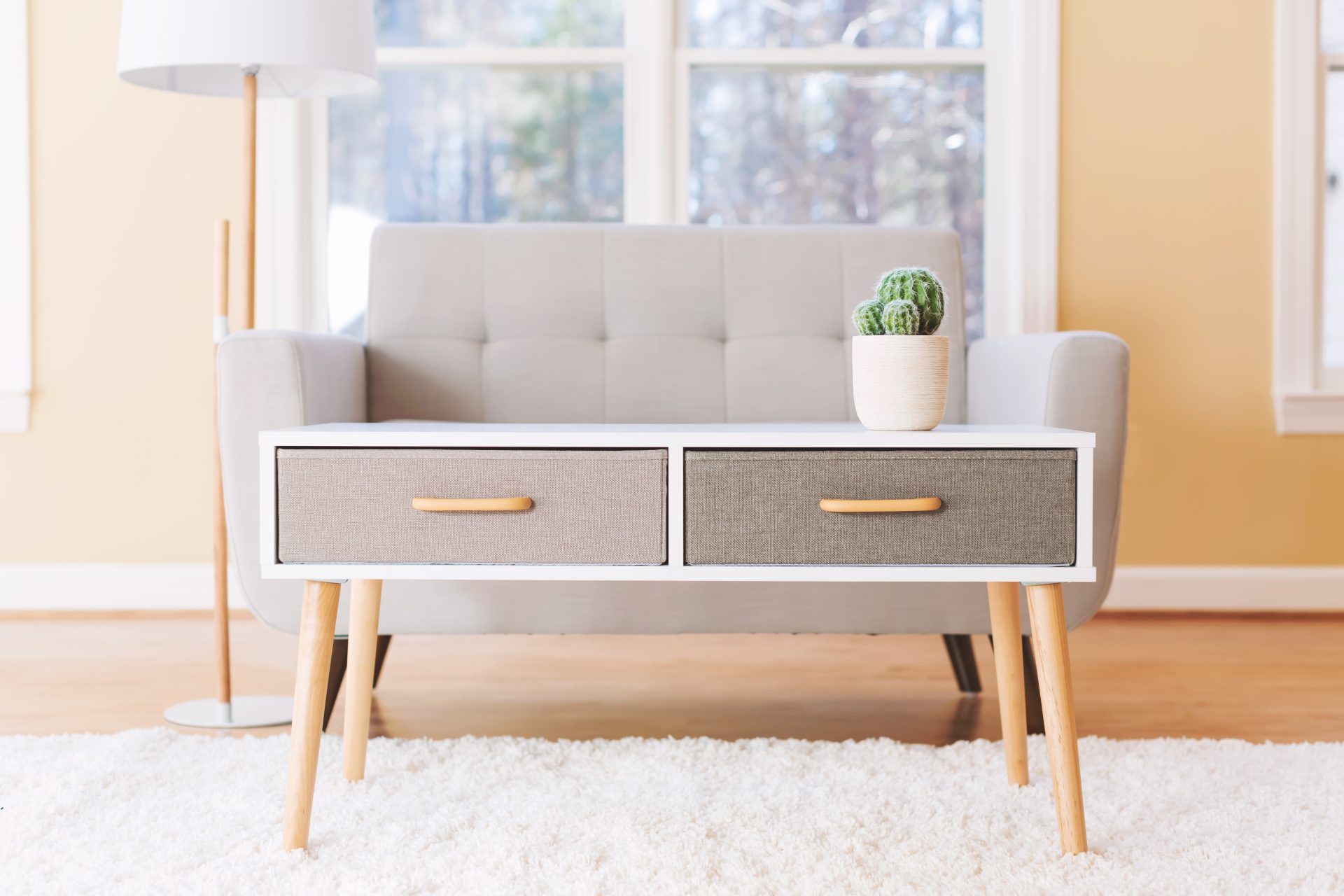
1. Choose a color scheme that works with your existing furniture and accessories. If you already have neutral-toned pieces, consider adding pops of color through accent rugs or throw pillows.
2. Mix textures by combining smooth surfaces (like glass or metal) with rougher ones (like brick or reclaimed wood). This helps to create visual interest and depth.
3. Use area rugs strategically to define spaces within larger rooms and add extra warmth and texture underfoot.
4. Continue your flooring material throughout adjacent rooms to create a sense of continuity and flow.
5. Don’t forget about lighting! Proper illumination can help showcase your new flooring and enhance its beauty.