Introduction to Flooring Design
Choosing a new floor can be overwhelming. There are so many materials, colors, patterns, and styles to choose from! But don’t worry – we’re here to help guide you through the process of selecting the perfect flooring design for your space. In this article, we’ll cover everything you need to know about choosing the right floor for your home or business.
Types of Flooring Materials
There are several different types of flooring materials available on the market today. Some popular options include hardwood, laminate, tile, carpet, vinyl, and concrete. Each material has its own unique characteristics in terms of durability, maintenance needs, cost, and style. For example, hardwood is known for its classic beauty and natural warmth, while tile is often chosen for its versatility and resistance to moisture. It’s important to consider all of these factors when deciding which type of flooring will work best for your specific needs.
Choosing the Right Color and Pattern for Your Space
Once you’ve narrowed down your choices to a few potential flooring materials, it’s time to think about color and pattern. The good news is that there are countless options available to suit any taste or decor style. From neutral shades like gray and white to bold hues like red and blue, there’s sure to be something that catches your eye. And with so many different patterns and textures available, such as distressed wood or marbleized tile, you can create a truly one-of-a-kind look that reflects your personal style.
Considering Durability and Maintenance Needs
Another important factor to consider when choosing a new floor is how well it will hold up over time. Depending on where you plan to install your new flooring, you may want to prioritize durability above all else. High-traffic areas like kitchens and entryways require floors that can stand up to heavy wear and tear, while bathrooms and laundry rooms may benefit from waterproof materials like tile or vinyl. Additionally, some flooring materials require more maintenance than others, so make sure to research each option carefully before making a final decision.

Budget-Friendly Flooring Options
Let’s face it – flooring can be expensive. Luckily, there are plenty of budget-friendly options out there if you know where to look. For instance, vinyl flooring is often very affordable and comes in a wide range of styles and colors. Or, if you prefer the look of hardwood but can’t justify the cost, consider investing in engineered hardwood instead. This type of flooring uses real wood veneers atop a plywood base, making it much more affordable than solid hardwood without sacrificing too much in terms of quality.
Trending Flooring Styles and Inspiration
One great way to get inspiration for your new flooring design is to check out what’s currently trending in the world of interior design. For example, wide plank hardwood floors have been gaining popularity recently due to their rustic charm and timeless appeal. Similarly, patterned tiles and statement rugs are also becoming increasingly common in homes across the country. Don’t be afraid to take risks and try something new – after all, your flooring should reflect your personality and sense of style!
How to Measure and Install Your New Floor
Finally, once you’ve selected your new flooring and determined the correct measurements for your space, it’s time to start thinking about installation. If you’re feeling confident in your DIY skills, you may opt to tackle the project yourself. However, installing flooring can be tricky, especially if you’re working with materials like tile or hardwood. It’s always a good idea to consult with a professional installer or contractor to ensure that your new floor looks flawless and lasts for years to come.
FAQs About Flooring Design
What kind of flooring works best for high traffic areas?
Tile and vinyl are both excellent options for high traffic areas because they are highly durable and resistant to scratches and stains. Hardwood can also be used in these areas, but it requires more maintenance and may not hold up as well over time.
Is it possible to install flooring myself?
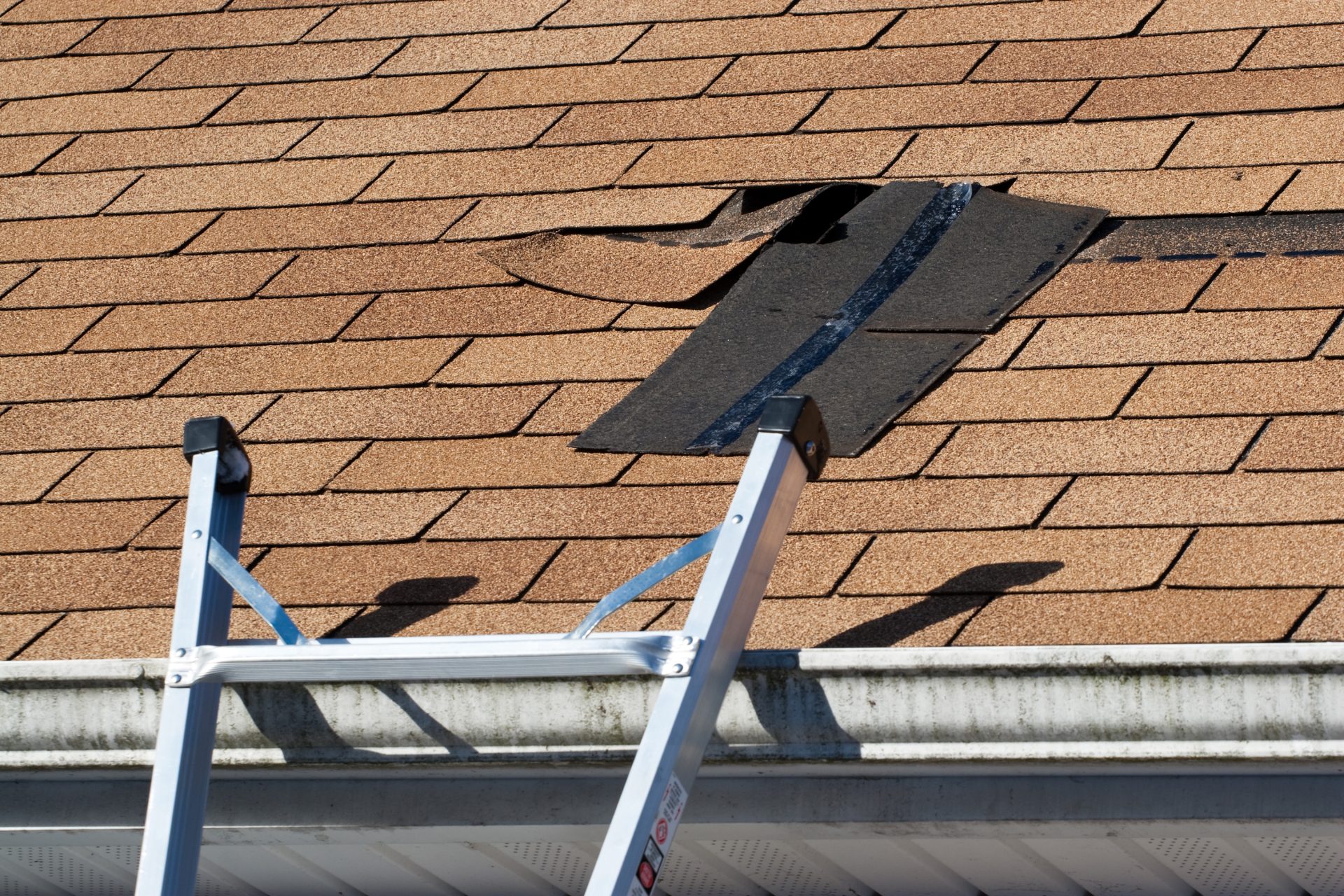
Yes, it is possible to install certain types of flooring yourself, such as vinyl or laminate. However, more complex installations, such as hardwood or tile, may require professional assistance to ensure a proper fit and finish.
Do I need to use underlayment beneath my new flooring?
Underlayment is typically recommended for most types of flooring, including hardwood, laminate, and tile. It helps to provide additional cushioning and insulation, reducing noise and improving comfort underfoot.