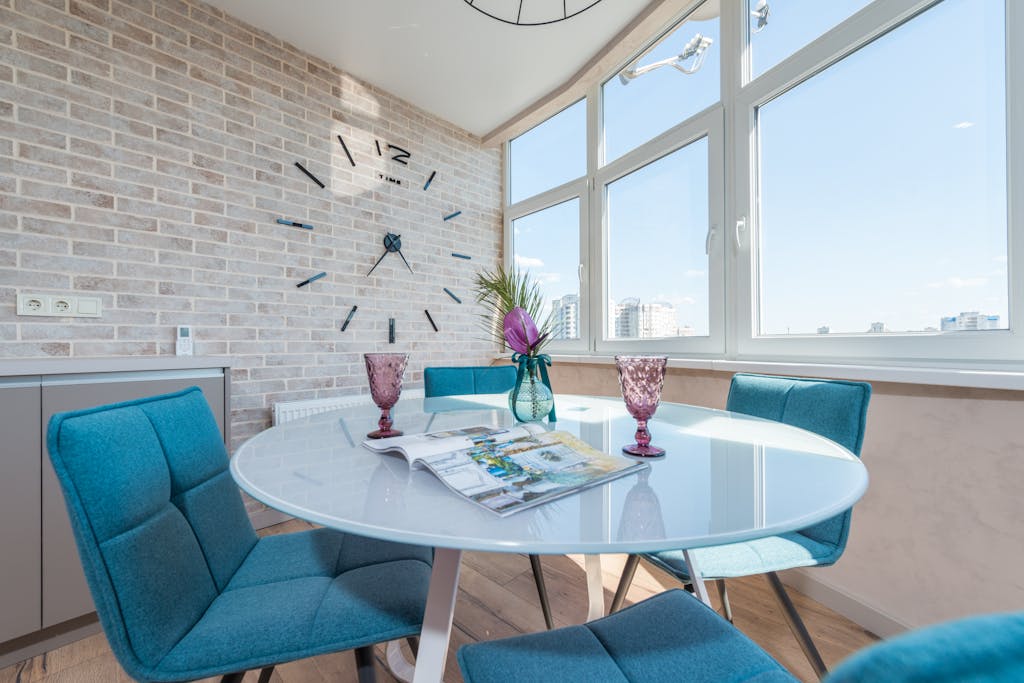
Hardwood flooring is a classic and elegant choice that has been used in homes for centuries. It’s no surprise why so many homeowners choose hardwood floors as their go-to option when it comes to renovating or building a new home. In this blog post, we will explore everything you need to know about hardwood floors, including their benefits, types, installation process, maintenance, and why they are the perfect choice for your home.
Introduction to Hardwood Floors
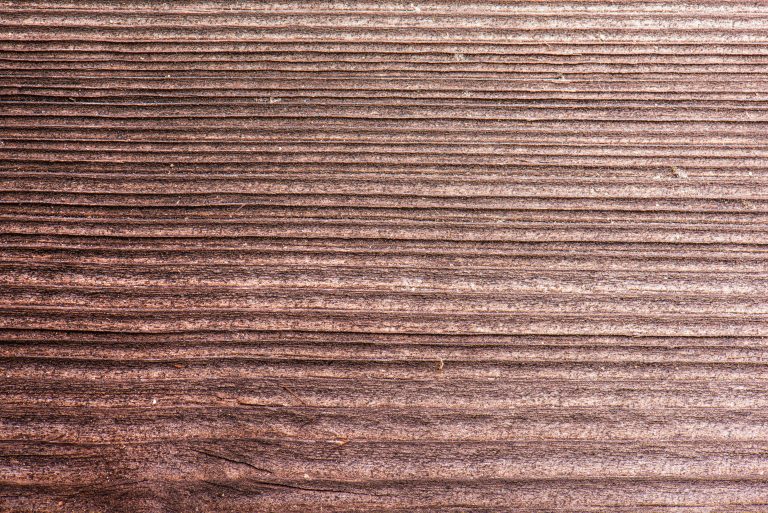
Hardwood flooring is made from solid wood planks that come in various species such as oak, maple, cherry, walnut, and more. These planks can be installed either nailed down or glued down depending on the type of subfloor. The beauty of hardwood floors lies in its natural grain patterns and warmth that adds character and depth to any space.

The Benefits of Choosing Hardwood Flooring
There are several reasons why hardwood floors are a popular choice among homeowners:
1. Durability – Hardwood floors are built to last and can withstand heavy foot traffic, making them ideal for high-traffic areas like living rooms and kitchens.
2. Versatility – Hardwood floors can complement any style or decor, whether it’s traditional, modern, or rustic. They also work well with different colors and textures of furniture.
3. Easy Maintenance – With regular cleaning and polishing, hardwood floors can maintain their shine and luster for years to come.
4. Health Benefits – Unlike carpets, hardwood floors do not trap dust, allergens, and other pollutants, making them an excellent choice for people with asthma or allergies.
Types of Hardwood Flooring and Their Characteristics
There are three main types of hardwood flooring:
1. Solid Wood – Made entirely from one piece of timber, solid wood flooring is durable and long-lasting but prone to shrinking and expanding due to changes in humidity levels.
2. Engineered Wood – Consists of multiple layers of plywood or fiberboard bonded together with a top layer of real wood veneer. This type of flooring is less susceptible to moisture damage and can be installed over concrete subfloors.
3. Longstrip Plank – Similar to engineered wood, longstrip plank flooring features longer strips of wood that offer greater stability and fewer seams than standard strip flooring.
Installing Hardwood Floors: A Step-by-Step Guide
To install hardwood floors, follow these steps:
1. Prepare the Subfloor – Ensure that the subfloor is level, dry, and free of debris before installing the hardwood floor.
2. Install the Moisture Barrier – Use a polyethylene sheet to prevent moisture from penetrating through the subfloor into the hardwood floor.
3. Lay Down the Underlayment – An underlayment provides cushioning and insulation between the hardwood floor and the subfloor.
4. Nail or Glue Down the Floorboards – If using nails, make sure to leave enough room at the end of each board to allow for expansion during seasonal changes. For gluing, use a trowel to spread adhesive onto the subfloor and place the boards firmly into position.
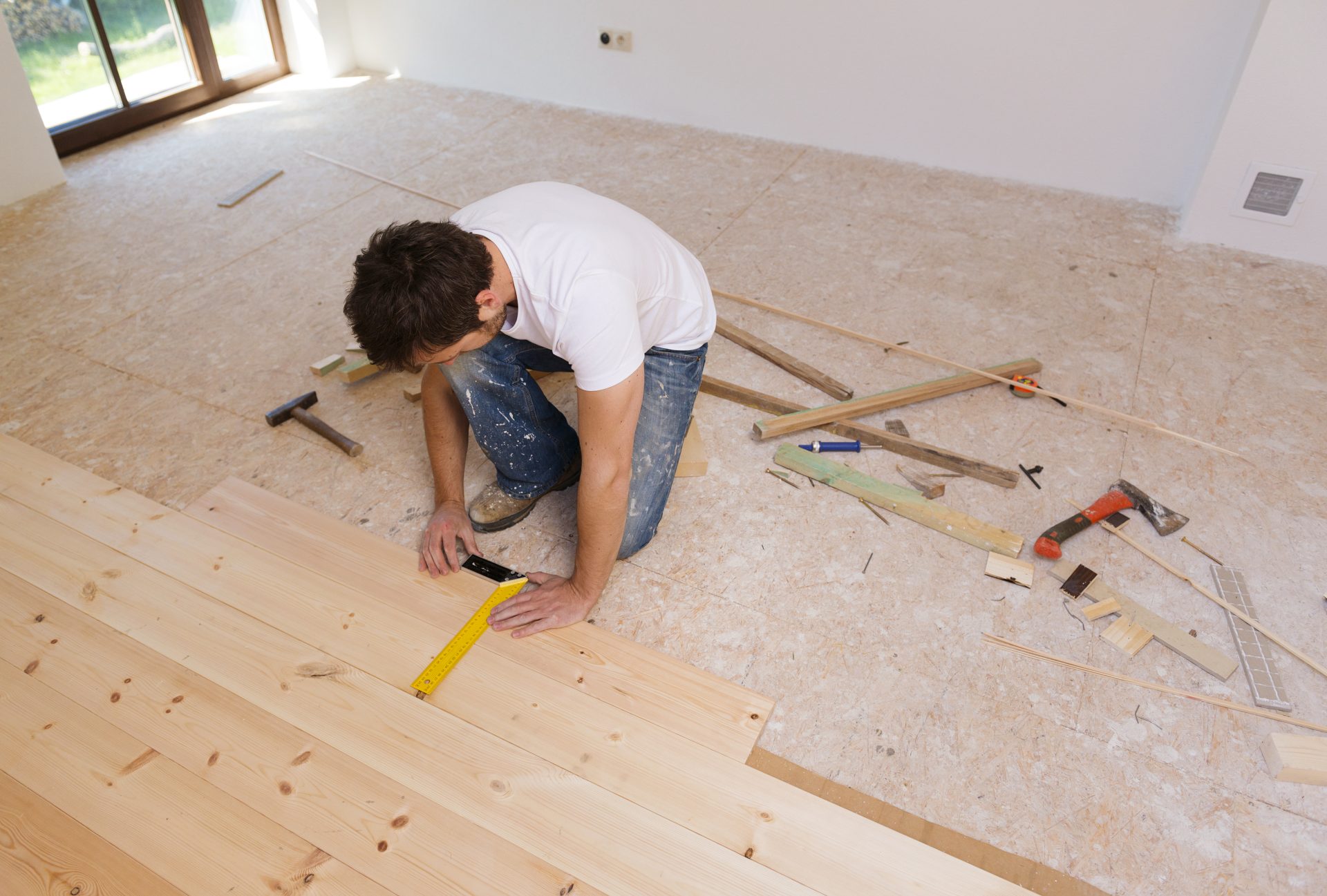
5. Sand and Finish the Floor – Once the floor is laid out, sand it smooth and apply finish coats to protect the surface.
How to Maintain Your Hardwood Floors for Years to Come
Maintaining hardwood floors requires little effort but yields significant results. Here are some tips to keep your hardwood floors looking great:
1. Regular Cleaning – Sweep or vacuum regularly to remove dirt and debris.
2. Damp Mopping – Using a slightly damp mop, clean the floor gently without leaving excess water behind.
3. Refinishing – Over time, the finish may wear off, causing the floor to look dull. Consider refinishing the floor every few years to restore its shine and protection.
Conclusion: Why Hardwood Floors Are the Perfect Choice
From their versatile design options to their ease of maintenance, hardwood floors are truly a perfect choice for any home. Whether you prefer the classic charm of oak or the contemporary flair of bamboo, there’s a hardwood floor for everyone. So if you’re considering renovating or building a new home, don’t hesitate to invest in hardwood floors. You won’t regret it!