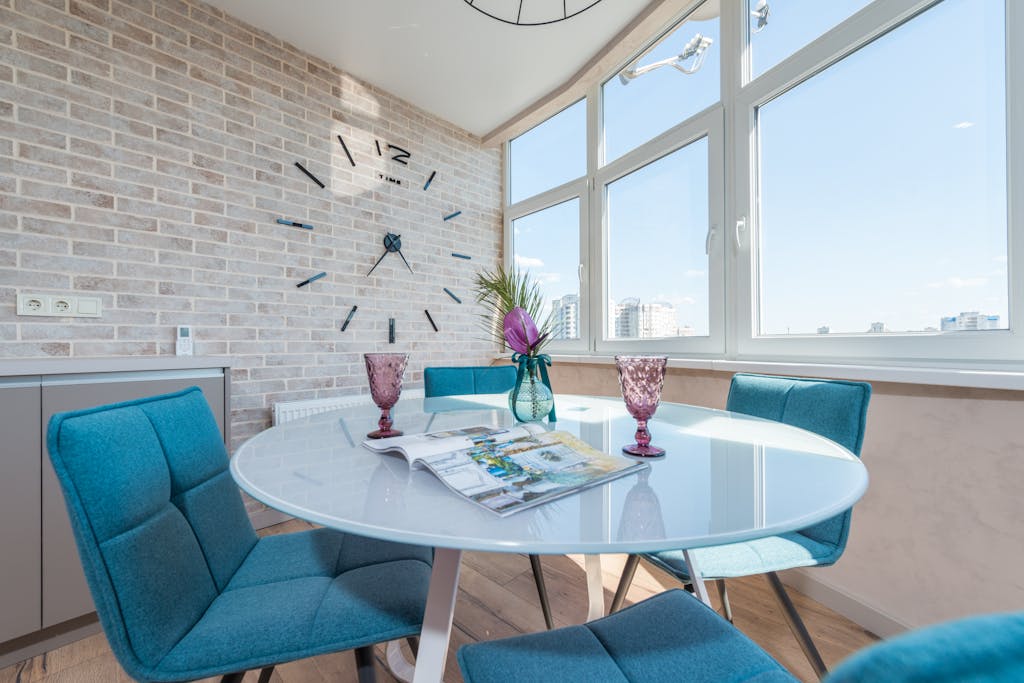
Hardwood floors are a classic and timeless addition to any home.
They offer durability, beauty, and versatility that cannot be matched by other types of flooring.
With so many different options available, it can be overwhelming to choose the best hardwood floor for your space.
In this guide, we will explore the various types of hardwood floors, how to determine which one is right for you, and provide tips on installation and maintenance.
Types of Hardwood Floors
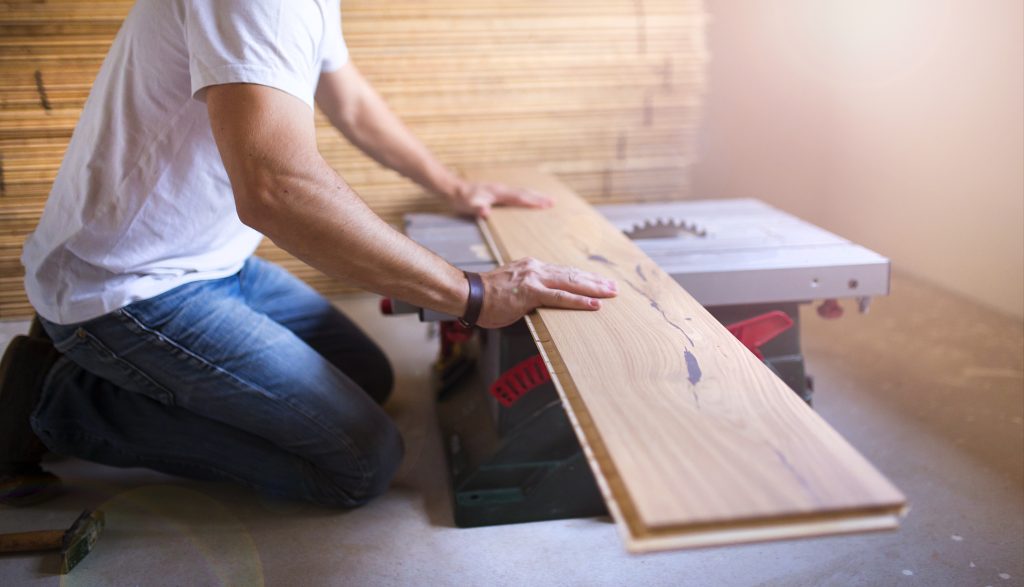
There are several different types of hardwood floors to consider:
1. Solid Hardwood – These floors are made from solid pieces of wood and can be sanded and refinished multiple times. They are durable and long-lasting but tend to be more expensive than other types of hardwood floors.
2. Engineered Hardwood – These floors are made up of layers of wood veneers and plywood. They are less expensive than solid hardwoods and can also be sanded and refinished. They are more stable and resistant to moisture than solid hardwoods.
3. Laminate Hardwood – These floors are not actually made of wood at all. Instead, they are composed of plastic laminates that mimic the look of real wood. They are inexpensive and easy to install but cannot be sanded or refinished.
4. Bamboo Hardwood – This type of hardwood is made from bamboo grass and has become increasingly popular due to its eco-friendliness. It is durable and resists scratches well.
Determining the Best Floor for Your Space
When choosing the best hardwood floor for your space, there are several factors to consider:
1. Budget – Different types of hardwood floors vary greatly in price. Determine what you can afford before starting your search.
2. Traffic – If your space sees high levels of foot traffic, you may want to opt for a more durable option such as engineered or bamboo hardwood.
3. Moisture – Areas with higher levels of humidity or moisture require special attention when selecting a hardwood floor. Solid hardwood should be avoided in these areas as it tends to expand and contract with changes in temperature and humidity.
4. Style – Consider the style of your home and select a hardwood floor that complements it. For example, rustic or traditional homes may benefit from distressed or handscraped hardwood while modern spaces may call for sleeker, smoother finishes.
Installation and Maintenance Tips
Once you have selected the perfect hardwood floor for your space, proper installation and maintenance are essential to ensure its longevity. Here are some tips:
1. Hire a professional installer – Installing hardwood floors requires skill and expertise. Avoid DIY mistakes by hiring an experienced pro.
2. Choose the right underlayment – The underlayment helps to reduce sound and provides cushioning beneath the hardwood floor. Select an underlayment that suits your needs and budget.
3. Keep it clean – Regular sweeping and vacuuming can help prevent dirt and debris from damaging your hardwood floor.
4. Use area rugs – Place area rugs in high-traffic areas to protect your hardwood floor from wear and tear.
5. Avoid water – Water can cause serious damage to hardwood floors. Be sure to wipe up spills immediately and avoid wet mopping.
Conclusion
Selecting the best hardwood floor for your space can seem daunting, but by considering your budget, traffic patterns, moisture levels, and personal style, you can find the perfect fit. Proper installation and maintenance are key to ensuring the longevity of your investment. With so many beautiful options available, there is sure to be a hardwood floor that perfectly complements your home.